
Backflow Preventer Guide: What It Is and Why It Matters in Lexington KY
That smell from the tap, water that looks slightly off, a pressure drop that was not there last week most Lexington KY homeowners do not connect any of that to a backflow preventer until a plumber is already under the sink. By then the problem had been sitting in the line for a while.
This guide breaks down what a backflow preventer is, the different types, and what Lexington KY homeowners actually need to know about getting one installed or tested.
What Is Backflow Prevention
Water in a plumbing system moves a one way supply line in, through the home, out the drain. What is backflow prevention is really asking what stops that from reversing. When pressure in the line does something unexpected, water can flow back the wrong direction and pull whatever is sitting in an irrigation line, a garden hose, or another connected source right back into the clean supply.
Backflow prevention is the system that physically stops that from happening. The backflow preventer is the device in the line that does the actual work.
Why Backflow Happens
Pressure is behind every backflow situation. Two ways it plays out.
Back pressure: Something on the downstream side of the system, a boiler, a pump, a tank sitting at elevation, builds pressure higher than what is coming in from the supply. Water gets pushed backward toward the source.
Back siphonage: Supply pressure drops fast. Main break nearby, fire hydrant opened down the street, heavy demand pulling pressure down in a hurry. The drop creates a siphon that pulls water the wrong direction through the line.
No warning before either one happens. A backflow prevention device sitting in the line handles it regardless of what the pressure does.
Types of Backflow Preventers
Different situations call for different devices. Here is how the main ones differ.
Double Check Backflow Preventer
A double check backflow preventer runs water through two check valves sitting one after the other. Each one closes on its own when flow reverses. One fails, the other holds.
Works well for low to medium hazard setups irrigation lines, fire suppression, light commercial. One of the most commonly installed backflow preventers for standard residential use in Lexington KY.
Reduced Pressure Backflow Preventer
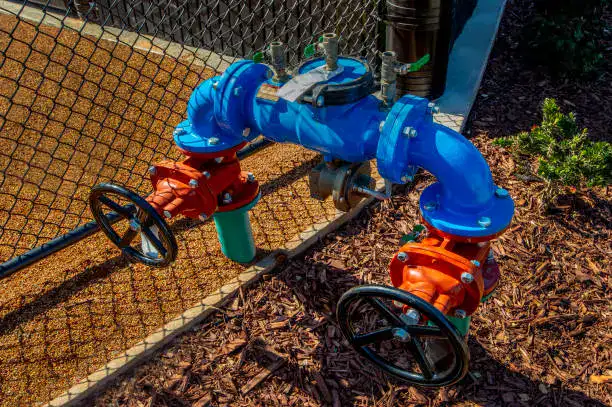
A reduced pressure backflow preventer has the same two check valves but adds a pressure differential relief valve between them. Both check valves fail? The relief valve opens and dumps the water out rather than letting it reach the supply.
Required for higher hazard applications chemical lines, medical setups, anywhere contamination carries serious consequences. A reduced pressure zone backflow preventer is what Lexington KY plumbers typically specify when the job goes beyond standard residential work.
3/4 Backflow Preventer
The 3/4 backflow preventer is a size three quarter inch pipe. Most residential supply lines, garden hose connections, and small irrigation systems in Lexington KY run on three quarter inch and a 3/4 backflow preventer is what fits those jobs.
Pressure Vacuum Breaker
Simpler device. Opens to the atmosphere when back siphonage hits, breaks the siphon before anything travels back up the line. Common on irrigation systems where back pressure is not a concern but siphonage risk is real.
Atmospheric Vacuum Breaker
Least hardware of the group. Point of use applications hose bibbs, utility sinks, low hazard fixture connections. Not built for continuous pressure but handles what it is designed for.
Backflow Prevention Assembly
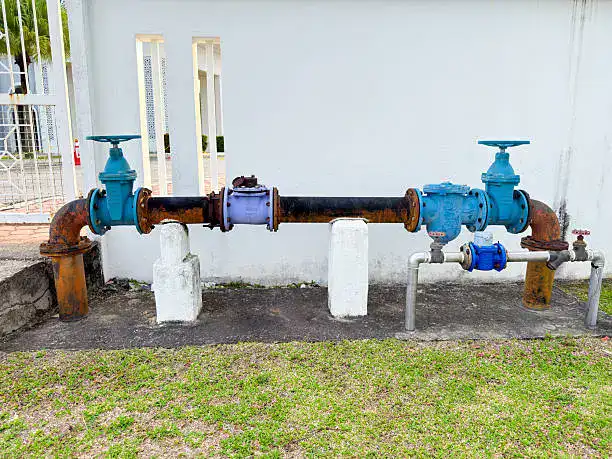
A backflow prevention assembly is more than just the valve. It is the device itself, the shutoff valves sitting on either side of it, and the test cocks that let a certified tester check every component is doing its job.
Most Lexington KY water authorities require a full backflow prevention assembly on commercial properties and on any residential connection with an irrigation system or cross connection risk. Plumber installs it, certified tester checks it on whatever schedule the local water authority sets.
Where These Devices Go
- Main water service entry where supply comes into the building
- Irrigation system connections before water reaches the yard
- Hose bibb connections on the outside of the home
- Fire suppression system connections
- Any point where clean water and a potentially contaminated source share a connection
Lexington KY properties with an irrigation system are almost always required to have a backflow prevention device in place and tested every year. A plumber confirms what the local water authority requires for a specific property and connection type.
Testing and Maintenance
A backflow preventer is mechanical. Check the valve stick. Springs lose tension over time. Relief valves stop seating the way they should. A device that is not working gives no protection at all even though it looks exactly the same from the outside.
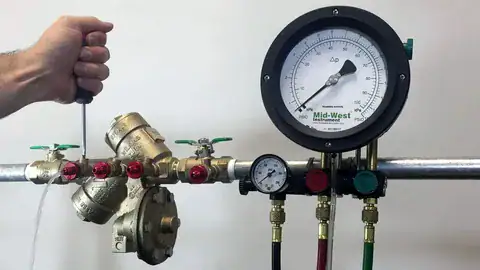
Annual testing by a certified backflow tester is required for most assemblies in Lexington KY. Gauges go on the test cocks, every component gets checked against the required range. Something fails, the device gets repaired or replaced before it passes.
Skipping the annual test is not just a code issue. It means nobody actually knows whether the backflow prevention assembly is doing anything.
Signs Something Is Off
A failing backflow preventer does not always announce itself. Worth paying attention to a few things.
- Unusual taste or smell coming from the tap
- Water that looks discolored when it was not before
- Water coming out of the relief valve on a reduced pressure backflow preventer that should not be running continuously
- Pressure dropping at fixtures downstream of the device
- Water showing up around the base of the assembly
Any of those is a reason to get a plumber in Lexington KY out before the next scheduled test.
When a Plumber Handles This
A backflow prevention device is not a DIY installation in most cases. Device has to be sized right for the pipe and the application, installed in the correct orientation, and tested after it goes in to confirm it meets what the local water authority requires.
A plumber in Lexington KY handles the sizing, the installation, and lines up the required testing so the assembly is compliant from the start. For a reduced pressure zone backflow preventer on a commercial property or a higher hazard application, getting the right device in the right spot matters more than it might seem.
Conclusion
A backflow preventer sits in the line and does its job without anyone thinking about it right up until it does not. Knowing the difference between a double check backflow preventer and a reduced pressure backflow preventer matters when the wrong one gets specified for the job.
A 3/4 backflow preventer fits most Lexington KY residential setups but higher hazard applications need a reduced pressure zone backflow preventer with a full backflow prevention assembly around it. Backflow prevention is not something that gets attention until something goes wrong with the water and by then the damage is already done. No backflow prevention device on the property or the existing one has not been tested in a while? A plumber in Lexington KY can confirm what is needed and get it sorted.
FAQs
What is backflow prevention is the system keeping water from reversing through the plumbing and pulling contaminated water into the clean supply. It matters because backflow happens without warning any time pressure in the line drops or reverses unexpectedly.
A double check backflow preventer uses two check valves and handles low to medium hazard situations. A reduced pressure backflow preventer adds a relief valve between the check valves and is required when contamination risk is higher and the consequences of failure are more serious.
Most Lexington KY properties with an irrigation system are required to have a backflow prevention device installed and tested every year. A plumber can confirm exactly what the local water authority requires for the specific property and connection.
The 3/4 backflow preventer is a pipe size three quarter inch. Standard size for most residential installations in Lexington KY and fits garden hose connections, small irrigation lines, and typical residential supply setups.
Most backflow prevention assembly installations in Lexington KY need annual testing by a certified backflow tester to confirm every component is working and the assembly is actually protecting the water supply