
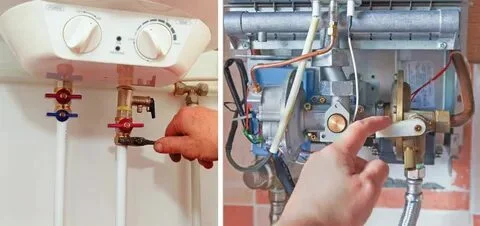
A water heater is one device that can cease to function for numerous reasons. You may experience no hot water, unusual noises, a leak or insufficient hot water. There are simple problems you can check and others require the assistance of a professional. Water heater repair can help to restore hot water and prevent any damage from occurring if it is done properly. This guide offers an overview of frequent water heater issues, quick inspections, possible fixes, and when to seek professional aid.
Start by Finding the Water Heater Problem
Determine first what the water heater problem is, before trying to fix it. For every problem there is a solution which differs from others. Trying to repair the wrong part can waste time and may cause more damage.
In the heater, observe any of the following:
- No hot water
- Warm and not hot water.
- Leaking water from the unit.
- Strange popping or banging sounds
- Rusty-looking water
- A pilot light that keeps going out
- A repeated tripping breaker
- It’s hot water that flows out too quickly.
Type of heater is also a factor. The parts in electric water heaters are also different from those in gas water heaters and require other repair procedures. Even more, the tankless water heaters operate differently from conventional storage tank water heaters. Where applicable, use the manufacturer specification label, or owner’s manual to determine type of heater.
How to Fix a Water Heater With No Hot Water
One of the major water heater problems is that there is no hot water. First, determine the simple causes. If the electric water heater, look for the electrical panel. Sometimes, the heater does not function due to a tripped breaker. The breaker can be reset one time only. When it trips again, prevent repeating the reset. This can be the indicator of an electric issue which requires a specialist intervention.
If the water heater is a gas type, test to ensure that the pilot light is lit. If it is out, follow the instructions on the unit or in the owner’s manual to relight the unit. The issue may lie with the thermocouple, gas control, or another component if the pilot does not remain lit. See the temperature setting as well. If the water temperature is too low it can feel chilly.
Check the Heating Parts
The heating elements typically heat the water within the electric water heater. When an element malfunctions, the heater may provide minimal hot water. This can also happen if the thermostat breaks down. The thermostat will regulate the temperature and signal the heating element to switch on and off.
These parts are tested or replaced with electrical skills. When inspecting, switch off the power supply, and if not trained do not attempt work on the wiring. The parts can be tested by a professional and the faulty component replaced by the professional safely.
What to Do If the Water’s Too Cold
In some cases, a water heater may still have hot water but it was cooler than usual. There are a number of reasons behind this problem. Check the thermostat first. If it is set to a low setting, the water could not reach the desirable temperature.
Some sediment builds up inside a storage tank, too. Over time, minerals deposit in the water filter to the bottom of the tank. This can affect the performance of the heater and cause it to operate harder. Cleaning the tank using a cleaner (if available) can also help to eliminate sediments. Drain water after following the manufacturer’s instructions for your particular model.
After reviewing the standard troubleshooting steps, you may have a damaged heating element, thermostat, or some other internal component if the water still is not hot.
How to Deal With a Leaking Water Heater
If the water heater is leaking, it is a problem. If left undressed for too long, even a small leak can cause water damage. To find the source of the water seek to determine the location of the source. Inspect connections, drain valve, pipes and pressure relief valve.
Common signs include:
- Water around the bottom of the tank
- Extremely low flow from a pipe or valve.
- Water coming from the pressure relief valve
- Wet spots on the ground at pipe connections
- The volume of water from the tank is high.
There is a possibility that a loose connection can be tightened. It might require a valve fixer. If the rust or corrosion is internal, however, this is almost never a viable repair. If so, it is probably more worthwhile to replace the water heater.
Turn off the water supply to the heater if the leak is big. Also turn off the gas or electricity when it is safe to do so. If you’re unable to locate the source of the leak, consult a plumber.
Why Is My Water Heater Making Noise?
If sediment accumulates in the tank, it could make popping, cracking or rumbling noises when the water heater is running. The sediment stays at the bottom and may become trapped underneath the sediment.
The water may produce the noises you hear when it is being heated. Additional benefits of tank flushing are a reduction in sediment. If noises are loud or repeated though, they shouldn’t be ignored.
Other issues can also be the source of noise:
- Mineral buildup
- A malfunctioning heating element
- High water pressure
- A damaged valve
- Problems with the burner
If noise persists when simple maintenance is used, a professional inspection can be utilized to identify the reasons.
How to Fix a Water Heater That Keeps Tripping the Breaker
An electric water heater should have a constant electrical flow. A frequent tripping breaker can indicate either an issue with the heater or with its electrical connection. A broken heating element, electrical fault or short circuit will cause a breaker to become overloaded.
Never repeatedly flip the breaker back on. It may present a safety hazard when it is repeatedly reset. In the meantime, unplug it and call a professional. Consider electrical water heater repair since the heater is made up of water and electricity.
Water Heater Repair vs Replacement
You don’t have to replace all the water heaters. In many of those cases, swapping an individual component will fix the problem. But if it is an old model or one that is out of alignment, it may be best to replace it.
| Problem | Repair May Be Suitable | Replacement May Be Better |
| Faulty thermostat | Yes | If the heater is very old |
| Damaged heating element | Yes | If several parts are failing |
| Loose pipe connection | Yes | No, there is no need. |
| Faulty valve | Yes | No, there is no need. |
| Small serviceable leak | Sometimes | If the tank itself is damaged |
| Rust inside the tank | No | Yes |
| Cracked tank | No | Yes |
| Repeated breakdowns | Sometimes | Often better |
| Very old water heater | Less suitable | Often worth considering |
Prior to executing a decision, the age and condition of the unit should be taken into account. A plumber can examine the heater and clarify any of the choices that are available.
When Should You Call a Water Heater Repair Service?
Many repairs to homes require professional assistance, however, there are some simple checks that homeowners should make. A water heater repair service will check the heating mechanism and come to a conclusion on the actual cause of the problem.
Call a professional if:
- The heater has an odor of gas.
- A big leak is present on the tank.
- The breaker continues to trip.
- The pilot light will not stay lit.
- Water continues to bubble out of the water relief valve.
- Heavy rusting is visible on the tank.
- The water becomes extremely hot.
- It’s time for an electrical replacement.
- There is a need for work on gas connection.
- After being repaired the heater breaks down once again.
Problems with electricity and gas can be hazardous. If you can get help, do it, rather than taking chances with the repair you don’t understand.
Who Fixes Water Heaters?
The next thing which you must wonder is, who fixes water heaters? Then, a professional plumber is the best person to call. Plumbers can examine water connections, valves, tanks, heating parts or other plumbing parts.
If a job involves the use of gas, ensure that the person undertaking them has the necessary qualifications to work with gas appliances. Another thing to consider is that electrical repairs should be carried out by a person that has the proper electrical knowledge and qualifications. A professional can also help you determine whether it is worth repairing the heater or replacing it is the best long-term solution.
How to Handle Rusty or Dirty Hot Water
Rusty or dirty hot water can come from the water heater or old pipes. If only the hot water looks brown, yellow, or rusty, the heater may have rust or dirt inside. Start by checking the cold water too. If the cold water is clear, the heater may be the main cause. Sediment can build up inside the tank and affect water quality.
Flushing the tank may help remove this buildup if your heater allows it. An old anode rod can also cause rust inside the tank. If the water stays dirty, check for leaks or signs of rust around the heater. A plumber can inspect the unit and suggest the right water heater repair if needed.
How Local Plumbing Care Can Help
If you discover what the water heater problem is early, it can help to avoid larger issues. Local Plumbing Care provides plumbing services to homeowners who require help with water heater issues, leaks, and other plumbing-related issues. A professional will be able to help save time and help prevent your home from suffering water damage if you cannot safely identify or repair the problem yourself.
To fix a water heater, you first need to determine the actual issue. If your appliance has tripped the circuit breaker, the thermostat is too low, there is a problem with the pilot light, or sediment has formed in the appliance, it could be as simple as the cause. Any serious defect or fault would require professional maintenance, like gas, electricity, big leaks, or the blockage of the tank.
Final Thoughts
When in doubt, don’t take any unnecessary risks. A professional plumber can examine the unit, fix the damaged area or advise you whether it is the time to replace the unit. Tackling issues early can help ensure that your hot water system continues to function and stay safe
FAQs
1. Why does my water heater keep turning off?
A faulty thermostat, heating part, pilot light, or electrical problem can cause the heater to turn off.
2. Why does my water heater keep tripping the breaker?
This can happen because of a faulty heating element, damaged wiring, or another electrical problem.
3. Should I repair or replace my water heater?
Repair may be a good choice for small problems, while an old heater with repeated issues may need replacement.
4. Can an old water heater still be repaired?
Yes, an old water heater can sometimes be repaired, but replacement may make more sense if it needs frequent repairs.
5. How can I prevent water heater problems?
Regular maintenance, checking for leaks, and following the manufacturer’s care instructions can help prevent problems.