
Most homeowners turn on the irrigation system and walk away. The yard gets watered, the system shuts off, and nobody thinks about what happens in between. But something does happen. That irrigation line sits in the ground soaking up whatever is in the soil around it. Fertilizer. Pesticides. Bacteria. And that same line connects directly to the water coming out of your kitchen tap.At Local Plumbing Care, we help homeowners and businesses protect their water supply with professional irrigation backflow preventer services.
An irrigation backflow preventer is the only thing that keeps those two worlds from mixing.
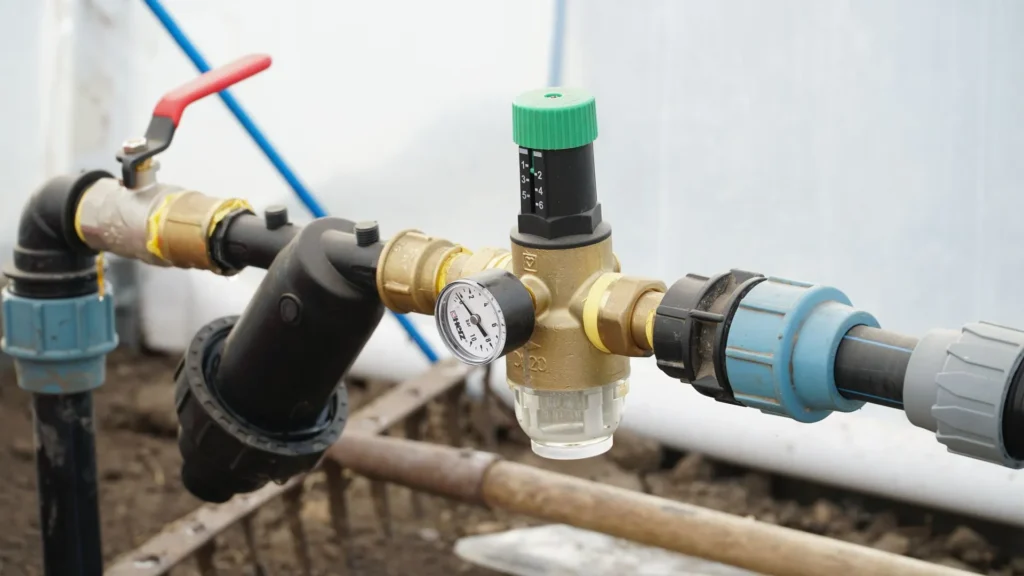
There is a spot on every irrigation system where the clean water supply connects to the outdoor line. Plumbers call it a cross connection. On one side you have drinking water. On the other side you have a pipe that runs through soil loaded with chemicals and biological material.
Under normal conditions water flows one way and there is no problem. But water pressure is not always normal. A main line breaks somewhere in the neighborhood. A fire hydrant opens nearby. Demand spikes and pressure drops fast. When that happens water does not keep flowing forward. It reverses. And without an irrigation system backflow preventer on the line, everything sitting in that irrigation pipe gets pulled straight into the drinking water supply.
This is not a rare situation. Pressure fluctuations happen on municipal water systems regularly. Most homeowners never know it happened because the backflow preventer irrigation device caught it before anything reached the tap.
The device installs on the supply line between the water meter and the irrigation system. Water flowing out to the yard passes through it without any issue. The moment pressure drops or reverses and water starts moving the wrong direction, the device closes.
Different devices close in different ways. Some use check valves that snap shut when flow reverses. Some use a relief valve that opens and vents water out of the device rather than letting it travel backward into the supply. The right type for a given property depends on the level of contamination risk and what the Lexington KY water authority requires for that specific setup.
This is the device most Lexington KY homeowners have on their irrigation systems. When back siphonage starts pulling water up the line, the device opens an air vent that breaks the suction immediately. No suction means no reversal.
The pressure vacuum breaker has to go above ground and above the highest sprinkler head on the system. That positioning is not optional. The air vent mechanism depends on being higher than everything downstream. Works well on standard residential irrigation with no chemical additives in the line.
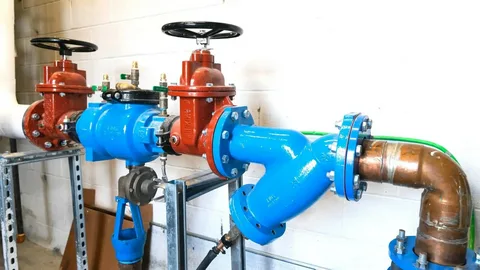
A step up in protection. This device has two check valves with a relief valve sitting between them. If the first check valve fails, the second one is still holding. If both fail at the same time, the relief valve opens and pushes water out of the device entirely rather than letting it reverse into the supply.
Lexington KY water authority requires this type of higher risk setups. Fertilizer injection systems, chemical feed lines, commercial irrigation, and any property where contamination reaching the drinking water would create a serious health risk all fall into this category.
Two check valves installed in sequence. Each one operates independently. The first one stops working and the second one is still blocking the line.
This is a practical choice as a backflow preventer irrigation device on low to medium risk residential and commercial properties. One advantage over the pressure vacuum breaker is that it can go underground in a valve box, which works well on properties where above ground installation is not practical. Annual backflow preventer testing is still required.
The most basic option. Built for low risk situations like individual hose bibs and single zone setups. Not designed for systems that stay pressurized when the irrigation is off. Has real limitations compared to the other three types and does not suit most full irrigation systems.
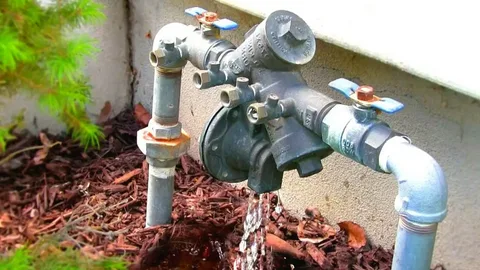
A lot of homeowners assume installing an irrigation backflow preventer is straightforward. It is not. Several things have to line up correctly or the device either fails to function or causes problems in the system.
Size is the first thing. The device has to match the pipe diameter exactly. A three quarter inch line needs a device built for three quarter inch. Too small and it restricts flow. Too large and it does not seal properly when pressure reverses.
Direction is the second thing. These devices only work one way. There is an inlet side and an outlet side and they are not interchangeable. Install one backward and it will not protect anything. The frustrating part is that a backward device looks completely normal from the outside. Nothing tells you something is wrong until a test catches it.
Height matters on pressure vacuum breakers specifically. The device has to sit higher than the highest outlet on the system. Drop it below that point and the air vent cannot do its job.
Access is the last piece. Reduced pressure zone devices cannot go underground because a certified tester needs to reach them every year for backflow prevention testing. Burying one cuts off access and makes annual testing impossible.
A plumber sorts out all of this based on the property layout and what Lexington KY requires. Both the installation and the post-installation test get handled in the same visit.
Installing an irrigation system backflow preventer is not a one-time job. The device has moving parts that wear down over time. Check valves get sticky. Springs lose tension. Seals crack. Relief valves start dripping when they should stay fully closed.
The problem is that none of this shows on the outside. A device that stopped working months ago looks identical to one functioning perfectly. There is no warning light. No visible sign. The only way to know if an irrigation backflow preventer is still doing its job is to test it.
Backflow preventer testing in Lexington KY is required once a year for most irrigation systems. A certified tester connects test equipment to the device and runs pressure checks on every internal component. Each check valve, each seal, the relief valve. Everything gets evaluated against the standards the water authority sets.
If something fails during backflow prevention testing it gets repaired or replaced before the device gets cleared. A device that passes testing is a device you actually know is working. One that has not been tested in three years is just a device that looks like it is working.
Annual backflow preventer testing catches most problems before they become serious. But some issues show up between scheduled tests. These are the signs that something is wrong with the irrigation backflow preventer and a plumber should take a look before the next test rolls around.
Do not wait for the yearly backflow prevention testing if any of these show up. Call a plumber in Lexington KY right away.
Lexington KY water authority requires an irrigation system backflow preventer on any property where the irrigation line connects to the municipal water supply. That covers most homes and commercial properties with in-ground irrigation systems.
Annual backflow prevention testing by a certified tester is also required. Testing has to be documented and results submitted to the water authority. A device that has not been tested does not meet the requirement even if it was installed correctly and has never shown a problem.
Homeowners who purchased a property with an existing irrigation system should verify that a backflow preventer irrigation device is already installed and check when it was last tested. Gaps in testing history mean the device has gone an unknown amount of time without anyone confirming it actually works.
An irrigation backflow preventer is a small device with a straightforward job. It keeps contaminated irrigation water from reversing into the drinking water supply. It does that job quietly every time pressure fluctuates on the line, which is more often than most people realize.
Getting the right device installed in the right location is the first step. Annual backflow preventer testing is what keeps it working year after year. And paying attention to warning signs between tests is what catches problems before they turn into something worse.
For Lexington KY homeowners with an irrigation system, the question is not whether an irrigation backflow preventer is needed. The water authority already answered that. The question is whether the one on the system is installed correctly, tested on schedule, and actually doing its job.
A plumber in Lexington KY can answer all of that in a single visit.
Every irrigation line ties back into the main water supply. When pressure drops, water pulls backward through that line and brings whatever is in the soil with it. The irrigation backflow preventer sits on that connection and shuts before any of that reaches the tap.
Soil around irrigation lines holds fertilizer, pesticides, and bacteria. Pressure on a municipal water system drops more often than people realize. Without an irrigation system backflow preventer on the line, a single pressure drop is enough to pull contaminated water straight into the drinking supply.
A professional tester hooks up equipment directly to the device and checks the pressure on every component inside. Backflow preventer testing tells you whether each check valve, seal, and relief valve is still holding up the way it should under Lexington KY water authority standards.
Lexington KY calls for it once a year. Backflow prevention testing has to be done by someone certified and the results go to the water authority. Skipping a year means the requirement has not been met regardless of how the device looks from the outside.
Some things do not wait for the yearly test to show up. Relief valve running nonstop, wet ground around the device, pressure dropping at the taps, or water that tastes or smells off are all worth calling a plumber over before the next scheduled backflow preventer testing date comes around.